


Strong
Establish a useful starting point.
X-rays, body and bone scans, and workforce medicals—one Randburg practice built to help you understand where you are and what to do next.
7 Malibongwe Drive, EmedCentre, Randburg

Measure. Understand. Act. Review.
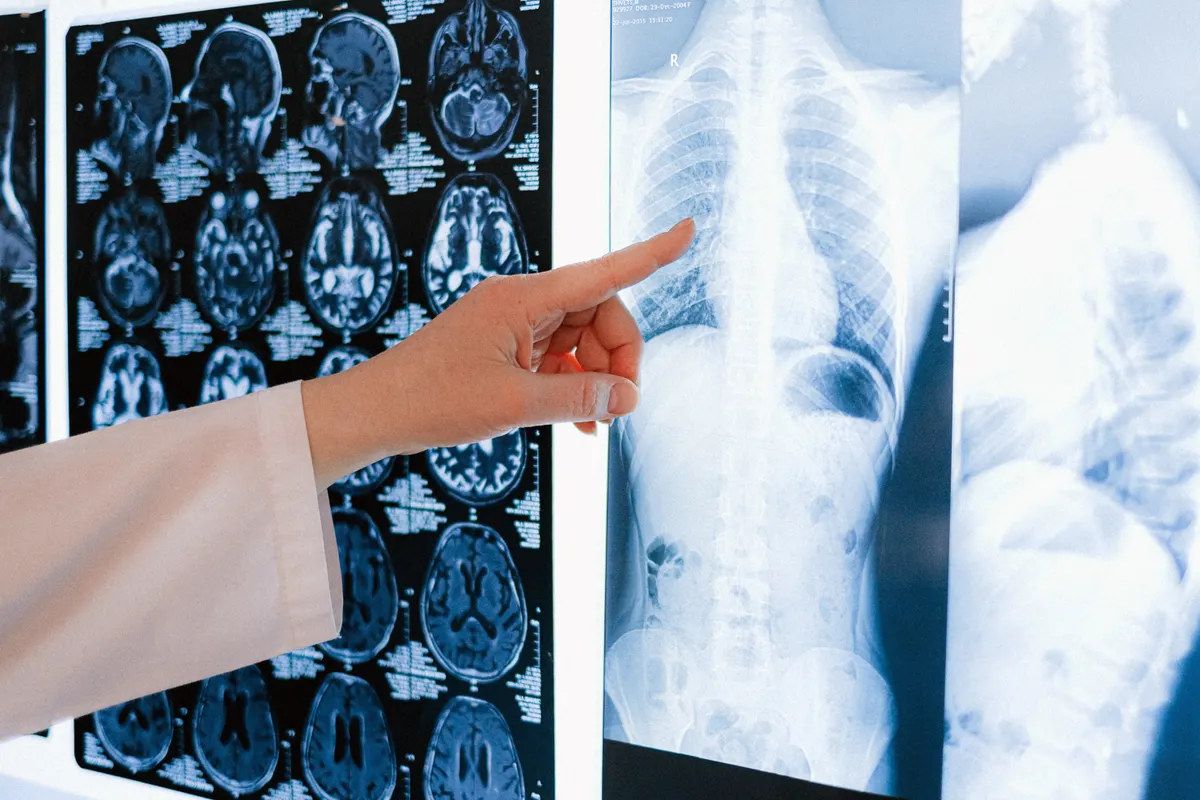
What SPR means
SPR connects the result to a useful next step. Start with a clear baseline, understand what it means, act earlier where appropriate, then review change over time.
See the full SPR approachEstablish a useful starting point.
Turn evidence into an informed step.
Review progress and adjust.
One connected approach: measure what matters → understand the result → act → review progress.
Each route asks only for the information appropriate to that service. A request is not treated as a confirmed appointment until the practice confirms it.
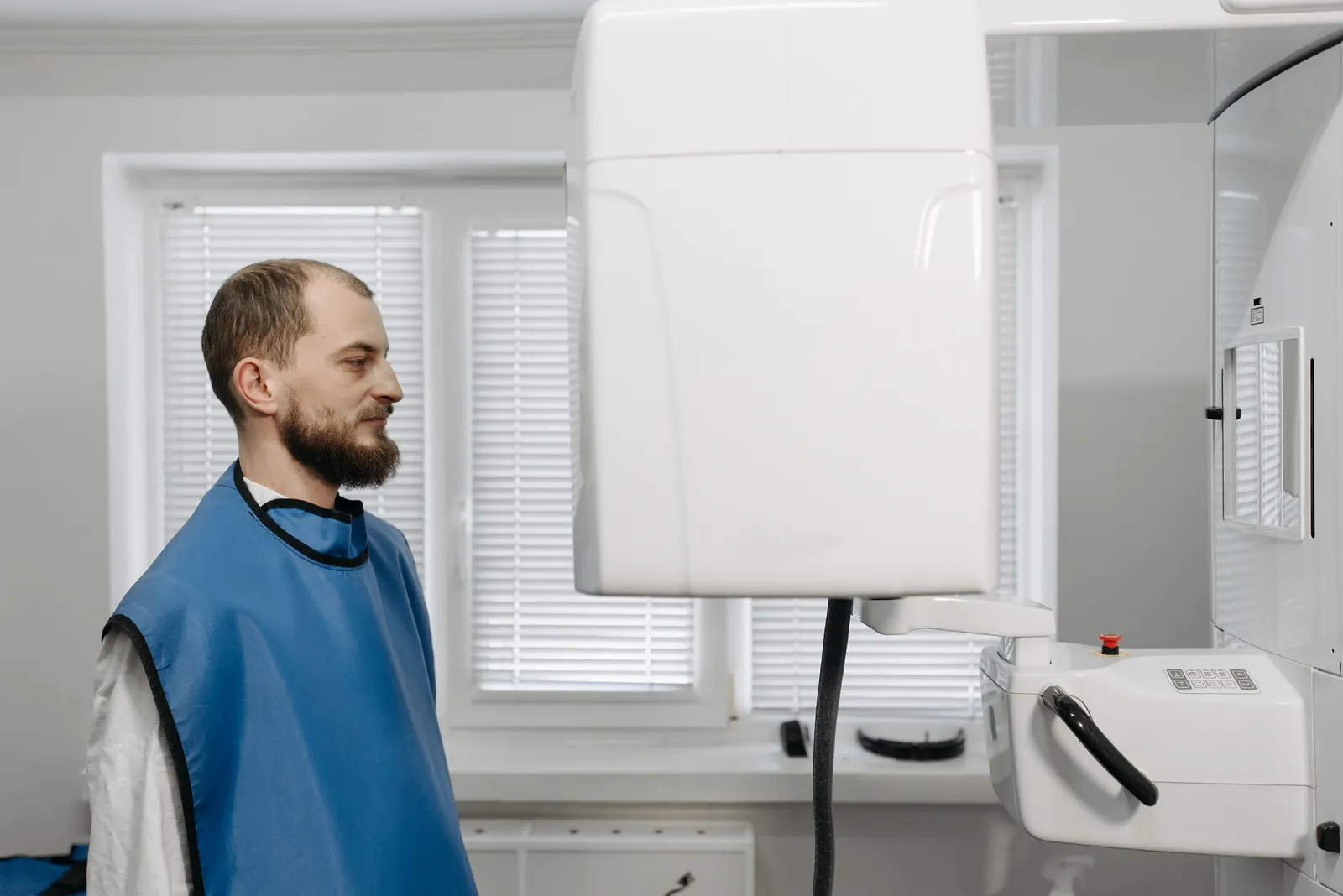
Request-led injury, chest and orthopaedic imaging with the clinical request checked first.
Explore X-Ray
Go beyond weight to measure lean mass, body fat and bone density.
Explore scans
Plan medical services and request a tailored quote for your team.
Employer quoteFind your SPR pathway
The pathway helps you choose a useful measurement or imaging request. It does not assume that every person needs an X-ray or DXA scan. Swipe the routes on a phone.
Choose the separate route for injury imaging, bone-health DXA or body-composition progress.
Midlife healthMenopause & bone strengthUnderstand when a risk-led bone-density discussion may be useful.
Measure changeStrength, muscle & fat progressBuild a consistent DXA baseline instead of relying on weight alone.
Clinician-ledBone health during treatmentAsk about a baseline or follow-up when medicines or treatment may affect bone.
After a low-trauma fracturePost-fracture bone checkExplore the bone-health question after the urgent fracture care is complete.
Individual riskBone health with long-term conditionsA private, non-stigmatising route for clinician-identified bone risk.
What happens next
Choose a route, share only the essential practical details, then receive a reference that clearly says whether staff still need to confirm the request.
Start with X-Ray, a bone or body scan, or workforce medicals.
Give only the practical details needed for a booking request, quote or reply.
Save the reference and read whether the request is confirmed or awaiting staff action.
Where price, preparation, referral requirements, eligibility or timing has not been approved for public display, the website says so and asks the practice to confirm it.
This website is for service enquiries and booking requests. It is not an emergency channel and does not provide medical advice. Contact an appropriate emergency service or qualified healthcare professional when urgent care is needed.