


A Smarter tool to Monitor Weight Management plans.
Weight management is about more than losing kilograms. True health improvement depends on what you lose and what you preserve—fat, muscle, and bone. This is where DXA body composition analysis stands apart as a precise, clinically validated monitoring tool.
What Is DXA Body Composition?
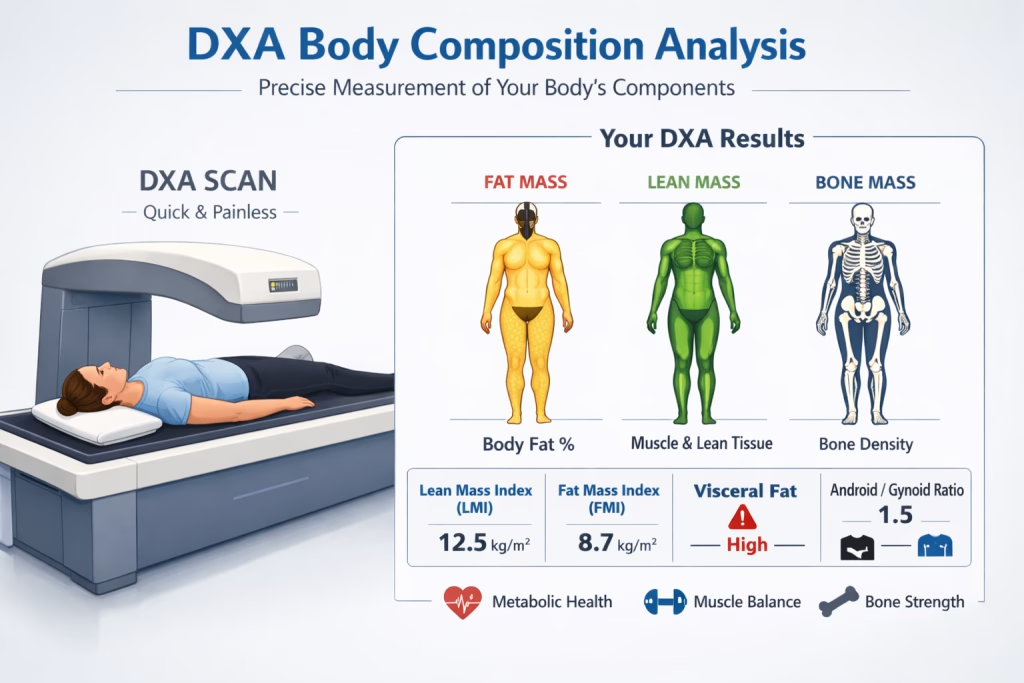
DXA (Dual-energy X-ray Absorptiometry) measures:
- Fat mass
- Lean (muscle) mass
- Bone mineral content
- Regional fat distribution (arms, legs, trunk, abdominal fat)
Unlike bathroom scales or smart devices, DXA provides direct measurements, making it ideal for monitoring real body changes over time.
DXA vs Bioelectrical Impedance (BIA)
Bioelectrical impedance devices are commonly used but rely on estimates that fluctuate with hydration, food intake, and exercise.
BIA limitations:
- Influenced by water balance
- Uses prediction equations
- Limited accuracy in ageing adults, obesity, and athletes
DXA advantages:
- Gold-standard accuracy
- Minimal hydration influence
- Tracks true fat loss vs muscle loss
- Provides regional and clinical insight
In short: BIA offers convenience; DXA offers confidence and precision.
DXA as the Ideal Fitness Watch Companion
Fitness watches track activity, heart rate, and calories—but they cannot show:
- Whether weight loss is fat or muscle
- If training is preserving lean mass
- Changes in harmful abdominal fat
DXA completes the picture, validating whether lifestyle and exercise efforts are producing healthy outcomes. Together, wearables and DXA support smarter, evidence-based decisions.
Key DXA Ratios That Matter
Lean Mass Index (LMI)
- Adjusts lean mass for height
- Protects against muscle loss during weight reduction
- Essential for healthy ageing and metabolic health
Relative Skeletal Muscle Index (RSMI)
- Measures limb muscle mass
- Identifies early muscle loss (sarcopenia)
- Critical in adults over 40 and during long-term dieting
Fat Mass Index (FMI)
- More accurate than BMI
- Differentiates fat loss from weight loss
Android vs Gynoid Fat Ratio
- Highlights abdominal fat risk
- Strongly linked to diabetes and cardiovascular disease
Why DXA Is Ideal for Long-Term Monitoring
DXA is designed for periodic, meaningful assessments, not frequent scanning.
Recommended intervals:
- Baseline
- Every 3–6 months during weight management
- Annual health monitoring
This allows accurate tracking of progress and timely adjustment of care plans.
The InsureSPR Health Perspective
At InsureSPR Health, DXA is used to support:
- Healthy weight management
- Muscle preservation
- Metabolic health
- Long-term bone and muscle resilience
DXA body composition shifts the focus from weight loss to health gain.
Key Takeaway
If the scale shows weight and your fitness watch shows activity, DXA shows results that truly matter—fat, muscle, and distribution. That makes DXA body composition an essential tool for safe, effective, and sustainable weight management.Call or book here InsureSPR Health .